The Barista Who Cleared the Room on Purpose

Most companies lose customers by accident and then spend the earnings call pretending they didn't. Hims and Hers just did the stranger thing: it warned investors for the third time in a single year, and its chief executive looked at the subscriber losses and called them a trade he would make every time.
The context is almost confrontational in its honesty. Three warnings in twelve months is not a slip of the hand, it is a pattern, and the natural assumption is that something in the kitchen keeps breaking. But as 24/7 Wall St reported, the CEO did not flinch and did not apologise for the departures. He framed the lost subscribers as a deal he would take again, which reframes the whole story from an accident into a decision.
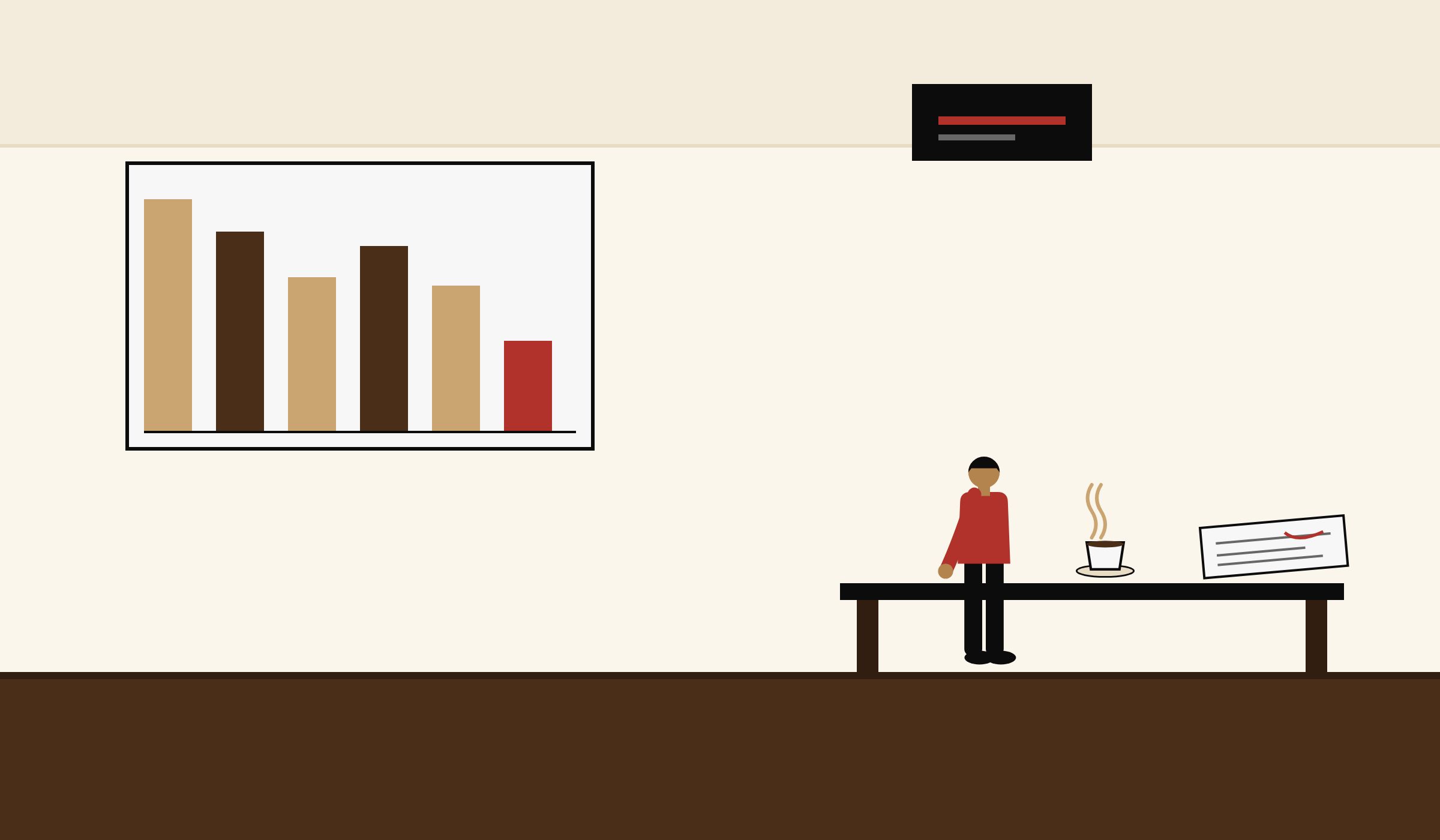
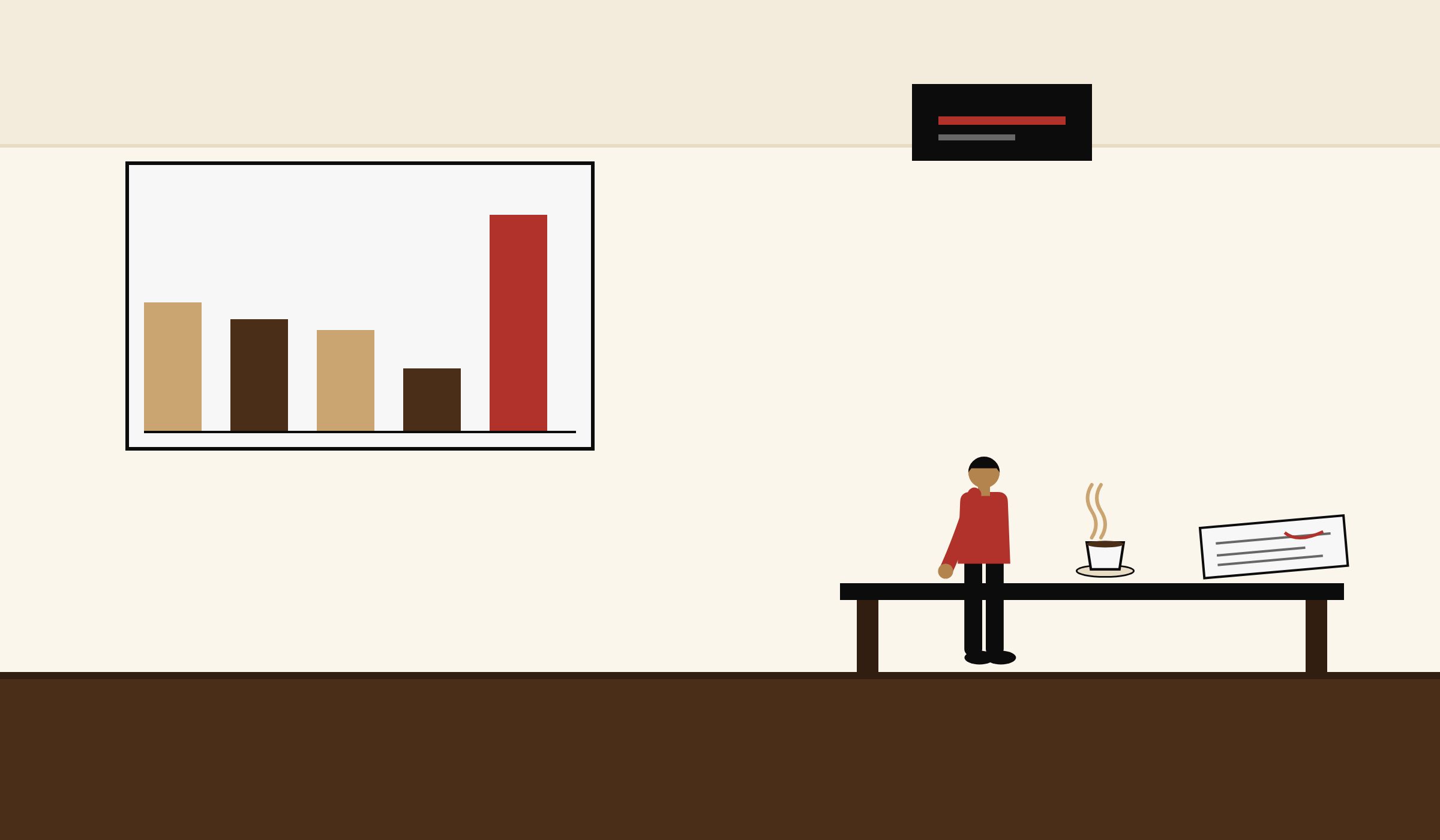
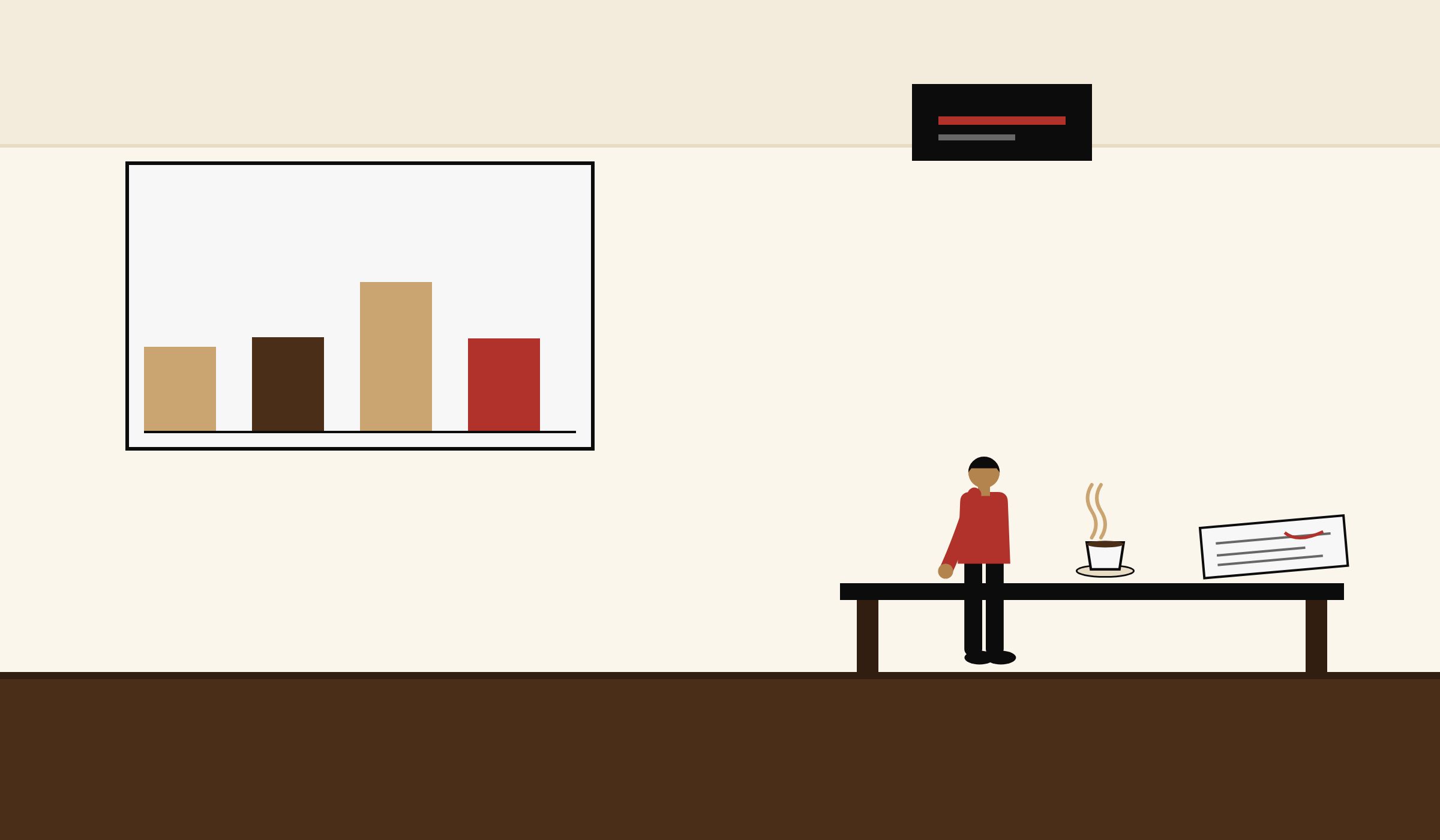
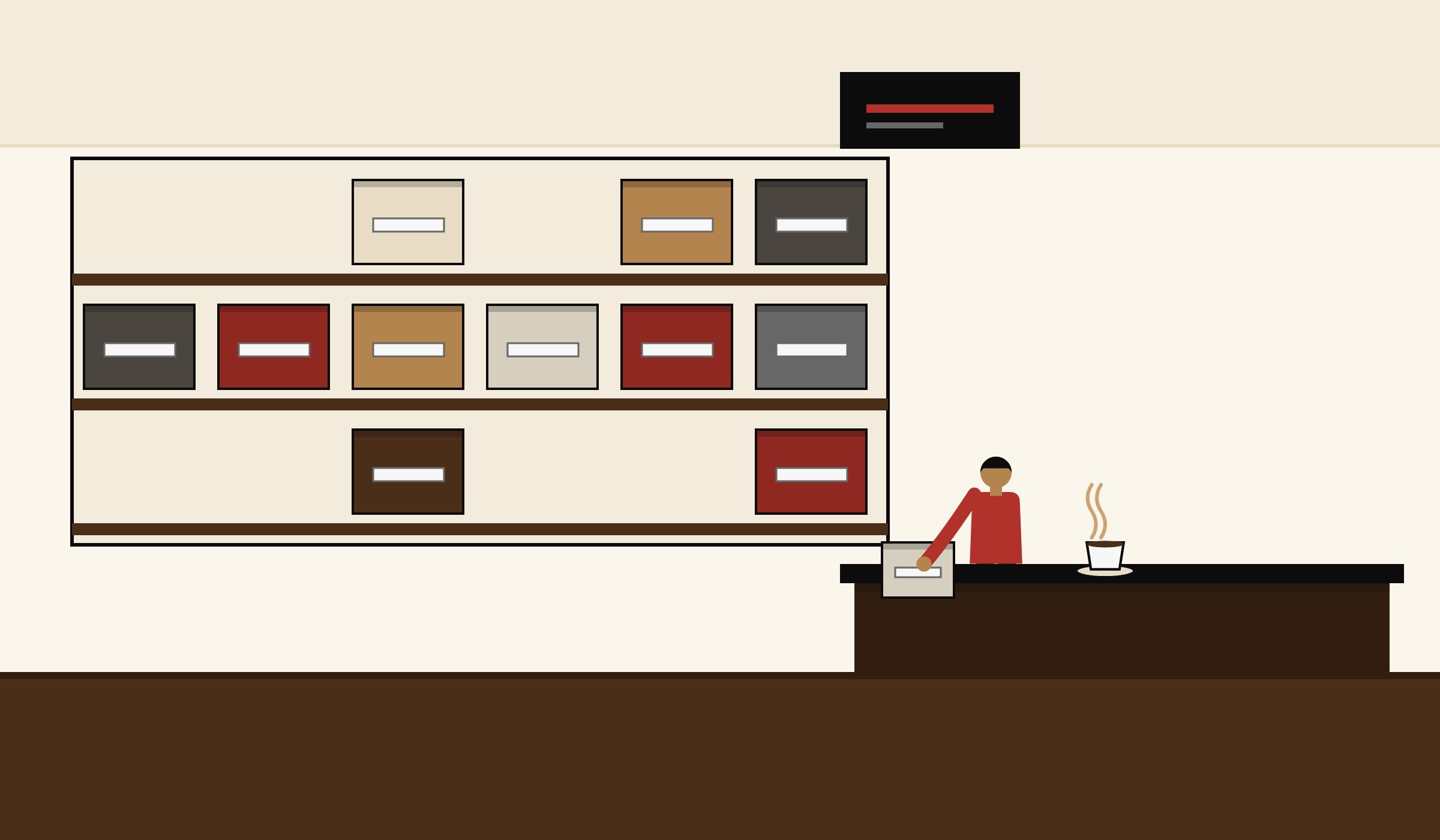
Picture the barista who stops making the sugary, syrup-drenched drinks that half the queue came in for. Do it and the line gets shorter, visibly, and the people who only ever wanted the sweet stuff grumble out the door. A nervous owner sees the thinning queue and panics. A deliberate one sees it and nods, because those were never the customers who were going to stick around for the actual coffee. Clearing the room of people you did not want to serve looks identical, from the street, to losing customers you failed to keep. The difference lives entirely in whether you meant to do it.
That is the insight, and it is a genuinely useful one for anyone building something. Not all churn is failure. Some of it is editing. A subscriber who leaves because you stopped offering the cheap, margin-destroying thing is not a wound, it is a cut you made on purpose, and the business left behind can be smaller, healthier, and pulling a better shot than the bloated version that counted every warm body as a win. The hard part is that from the outside, deliberate subtraction and accidental collapse produce the same shrinking number. The market sees the queue get shorter and reaches, three times now, for the alarm.
Which is exactly why the CEO's framing is the whole story. Saying he would make the trade every time is a bet that the room he is left with is worth more than the room he cleared - fewer cups, but richer ones, from customers who are actually there for the brew rather than the syrup. It is a dangerous thing to say out loud, because it dares the market to disbelieve him, and a third warning in a year does not buy much patience. But it is also the only defensible version of losing customers: the version where you chose it, named it, and stood behind it instead of blaming the weather.
The market, for now, is the grumbling customer halfway out the door, unconvinced that a shorter line is a better one. Maybe the thinner queue curdles into a genuine problem. Maybe it concentrates into exactly the business he claims it will. Either way, there is something bracing about a barista who looks at a half-empty room he emptied himself and says, without blinking, that he would pull the same shots again tomorrow. He is not mourning the customers who left. He is counting on the ones who stayed for the coffee.