Buffett Drinks His Own Brew by the Gallon

When the owner of the cafe starts drinking the house blend by the gallon, pay attention to the order rather than the mood. Berkshire Hathaway's quarterly profit fell, dragged down by shrinking investment gains and a disappointing showing from Geico, and in the same breath it bought back about $9.6 billion of its own stock - the most it has spent on itself all year.
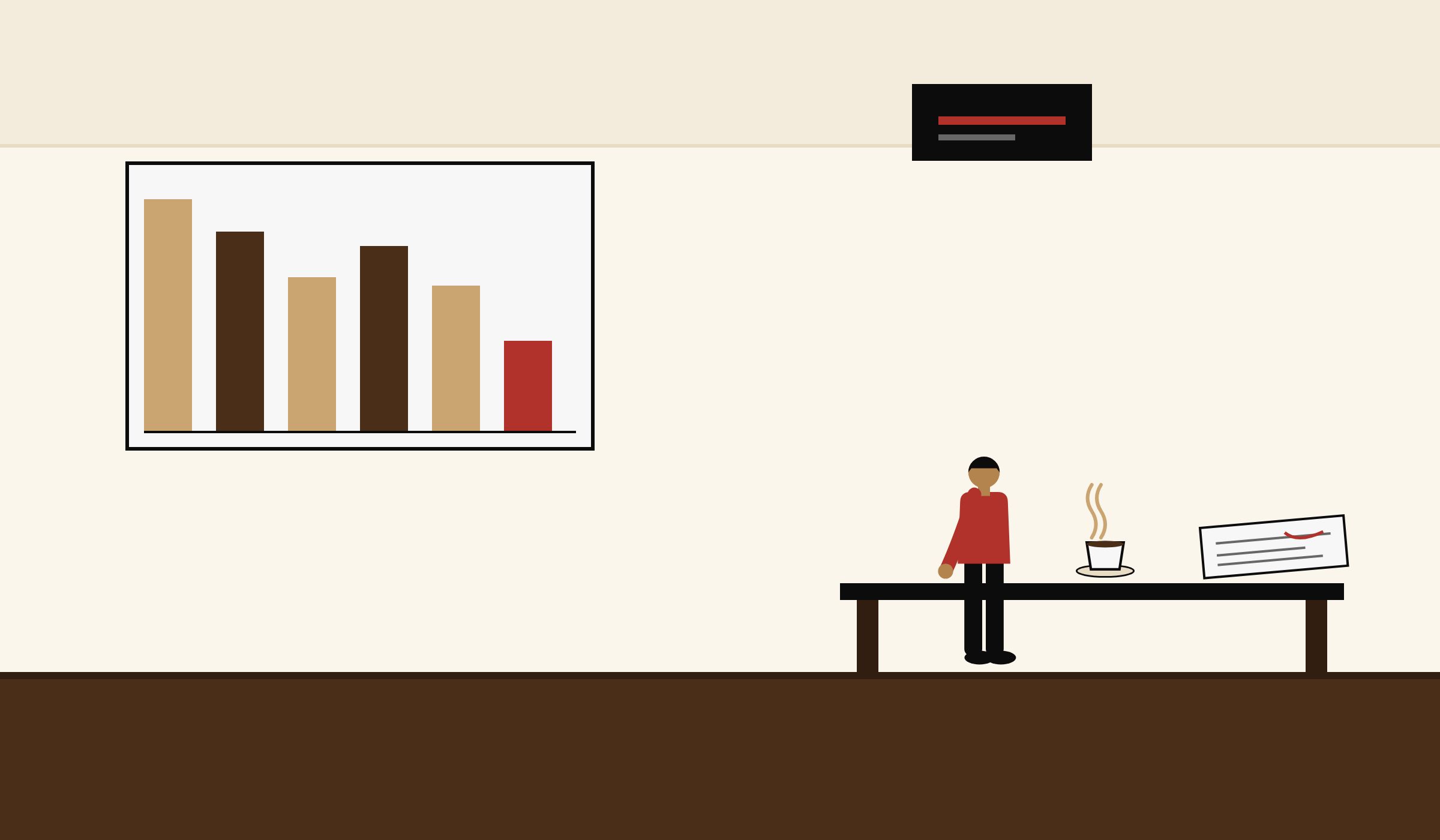
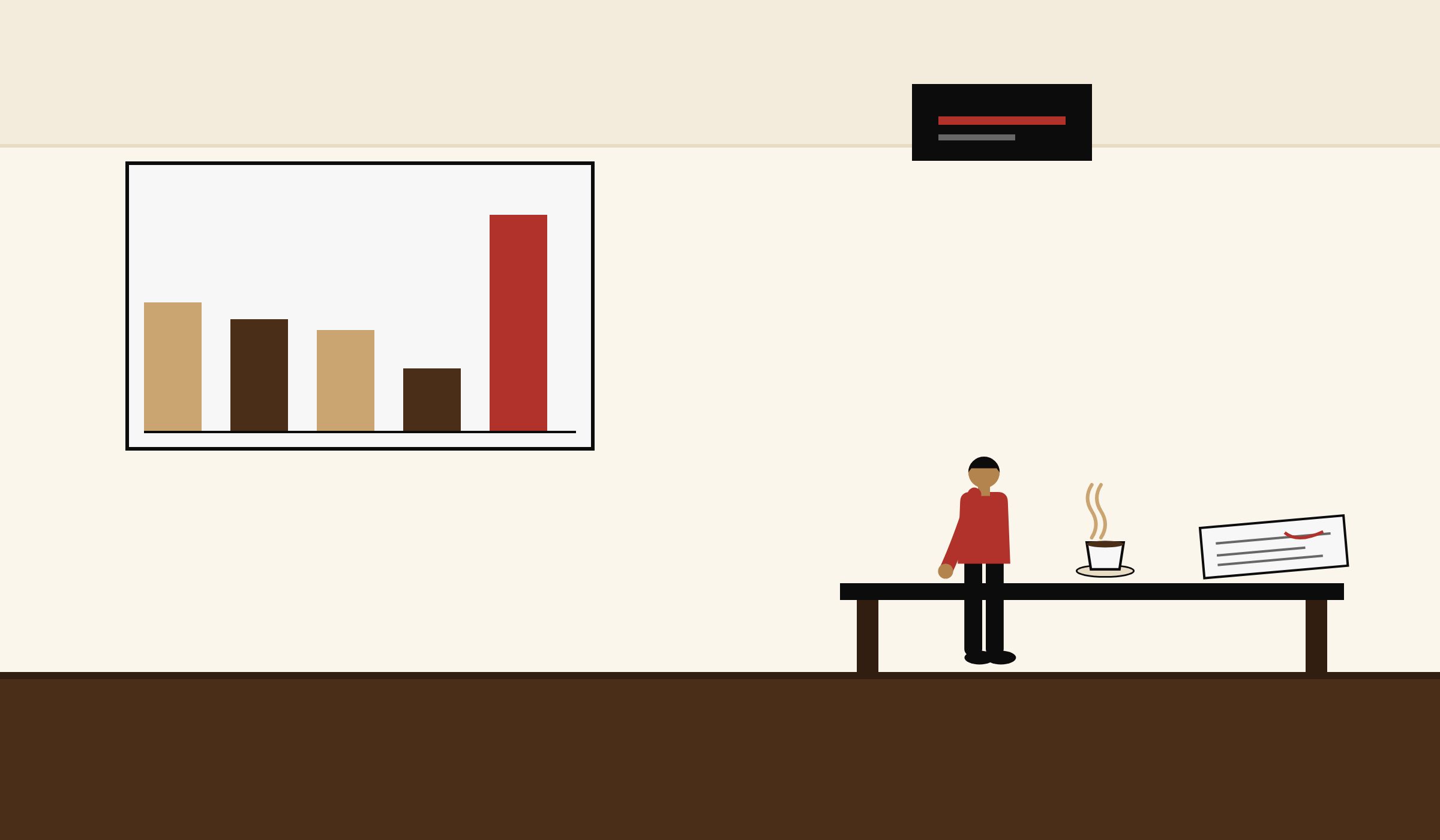
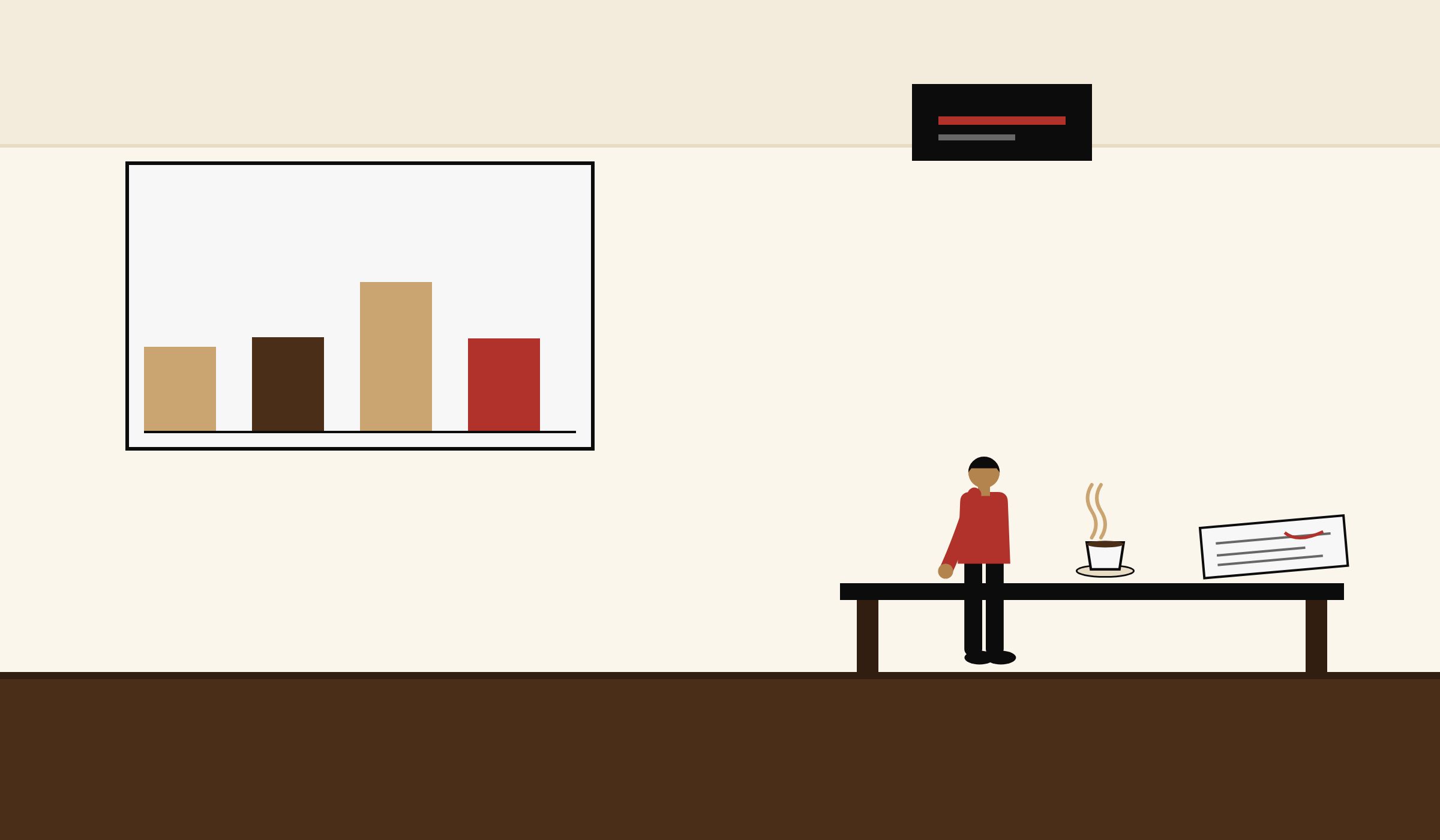
The context looks, at first, like a contradiction. Profit down, insurance arm limp, the investment gains that usually do the heavy lifting suddenly thinner. As WSJ reported, it was not the kind of quarter that gets framed on the wall. And yet the response was not caution. It was the biggest buyback of the year, the company spending nearly ten billion dollars to drink its own supply at exactly the moment the headline numbers sagged.
Here is the coffee of it, and it is pure Berkshire. A buyback is a cafe buying back its own cups. You only do it, if you are sensible, when you think the cups are cheaper than the coffee they can pour - when the price on the menu has fallen below what you quietly know the brew is worth. Buffett has spent sixty years teaching that the best time to drink your own blend is when everyone else has wandered off to a trendier counter and left the price soft. A down quarter that spooks the room is, to an owner who trusts his own roast, a discount. The profit fell. The opportunity, in his reading, rose.
The disappointing bits matter, but notice how they are different in kind. Shrinking investment gains are mostly a scoreboard artefact - the paper value of holdings bouncing around, coffee cooling and reheating without anyone drinking it. Geico disappointing is more like a burner running cool in one corner of the kitchen, an operating business underperforming, the sort of thing that actually needs tending. A clear-eyed owner reads those two very differently: one is weather, the other is a stove to fix. Spending $9.6 billion on buybacks while calmly noting the weak spots is the behaviour of someone who can tell the difference between a cold morning and a broken machine.
The insight to carry out of the cafe is about conviction versus mood. The market trades on how the quarter felt, and this one felt soft. An owner trades on what the cafe is worth, and by that measure a soft quarter that lowers the price is a reason to buy more of it, not less. The $9.6 billion is not a denial of the weak profit - it is a statement that the weak profit does not change the value of the brew, and that the gap between the two is exactly where money gets made. Everyone else sold the mood. Berkshire bought the coffee.
So read the order, not the frown. The profit fell and the owner responded by drinking his own house blend by the gallon, which is roughly the most confident thing a cafe can do when the room goes quiet. Maybe the next quarter reheats the gains and steadies Geico's burner. Maybe it doesn't. But when the man who wrote the book on cheap cups spends his biggest sum of the year buying back his own, the lesson is older than any one quarter: the best time to drink your own brew is when everybody else has decided it has gone cold.